


FORGOTTEN ISLAND. CGAC Collection

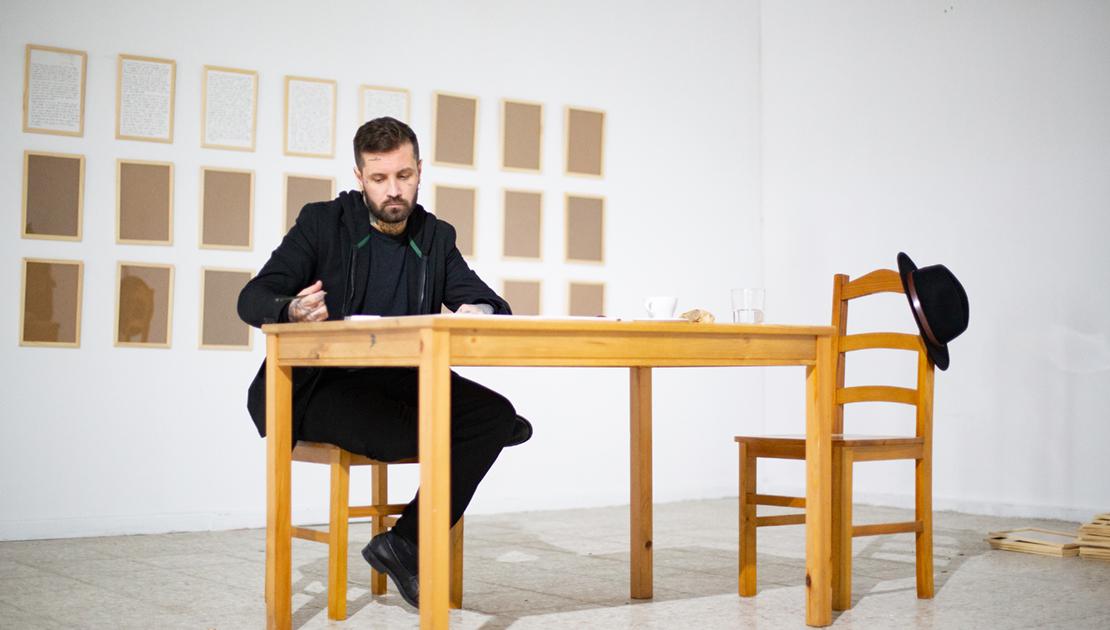
Forgotten Island poses a reflection on artistic creation as an exercise in resistance and questioning, in which the intimate, the private space, and the circumstantial framework itself function as a kind of mapping to address the territory of the communal.
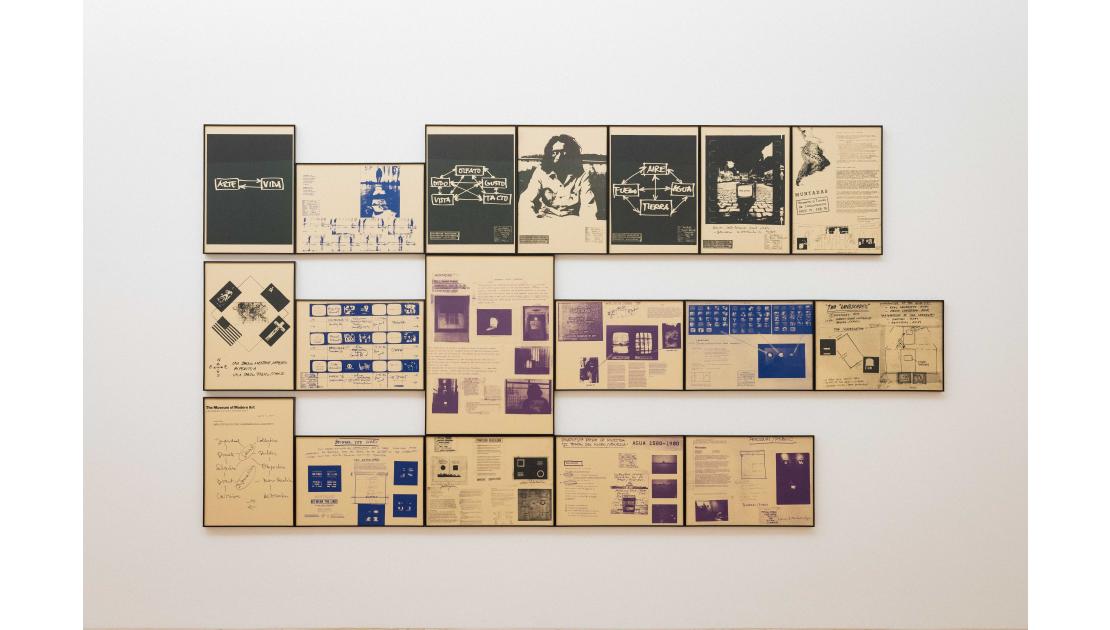
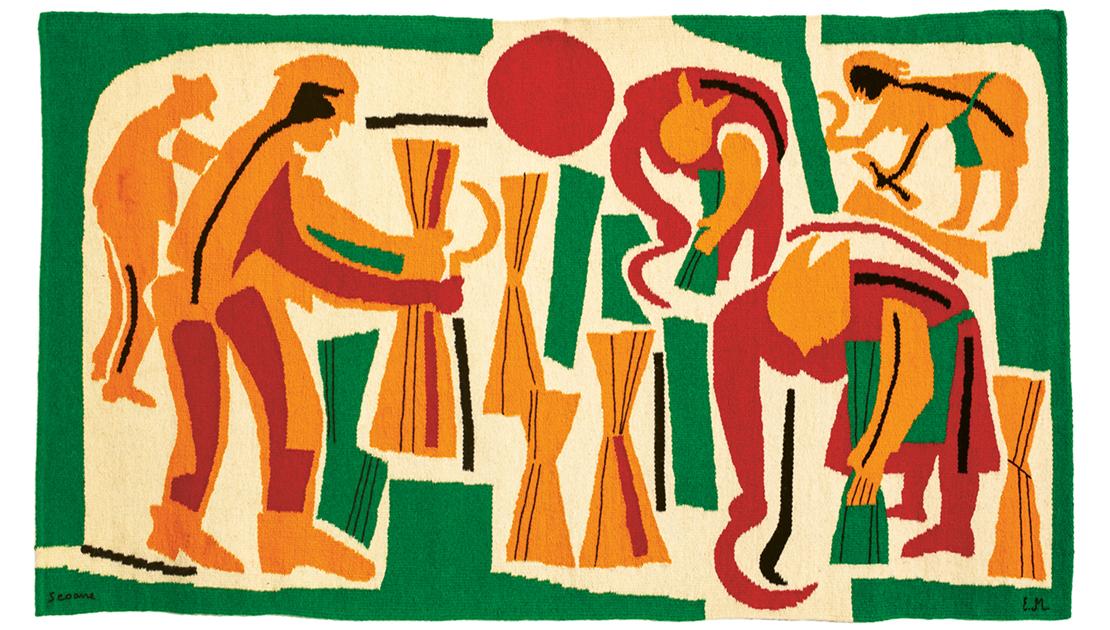
The exhibition features a selection of works belonging to the CGAC Collection, mostly from acquisitions made in recent years, and none of which have previously been exhibited in this centre.
The title comes from the text Forgotten Island by Gloria Fuertes, which opened her first book of poems. Through the metaphor of identity, the author explores the comparison of the poetic voice as an intimate, secluded island, but one that is capable of projecting its spiritual and critical dimension. In this sense, the exhibition focuses on the idea of the human being as an individual but interdependent entity.
Divided into three acts, the exhibition unfolds as a passage between the self and the Other. In the first room, private desires, the vulnerable body, and individuation processes are revealed. The approach of an intimate experience enables a scenario of reciprocity by assuming it as a reflection of our own concerns. A second part is presented as a liminal space; as a warning about the construction of the image and its capacity to model perception, questioning the mechanisms through which reality is represented. With this question in mind, the third room refers to projects that draw inspiration from their immediate environment to highlight their passions and prejudices, identifying a shared imaginary regarding the shaping of the territory.
Subjective experience, memory and traces of the everyday constitute an initial outlet that drives the expressive act to activate a tool for universal reading. Under the premise that all people are islands that are interrelated in a sort of social archipelago, the exhibition brings to light narratives that are at risk of remaining outside the spotlight. Here the work of art resonates as an echo, overflowing the particular to encode new psychological, symbolic, political and cultural interpretations from which to recognise ourselves.