
ALEXANDRA RANNER. Rumor

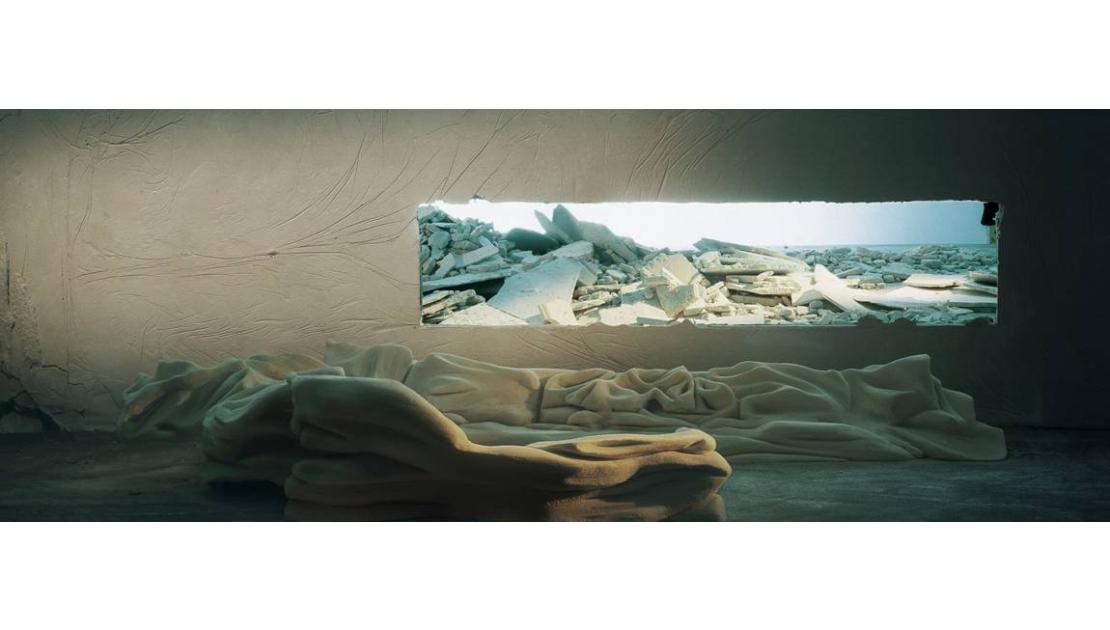
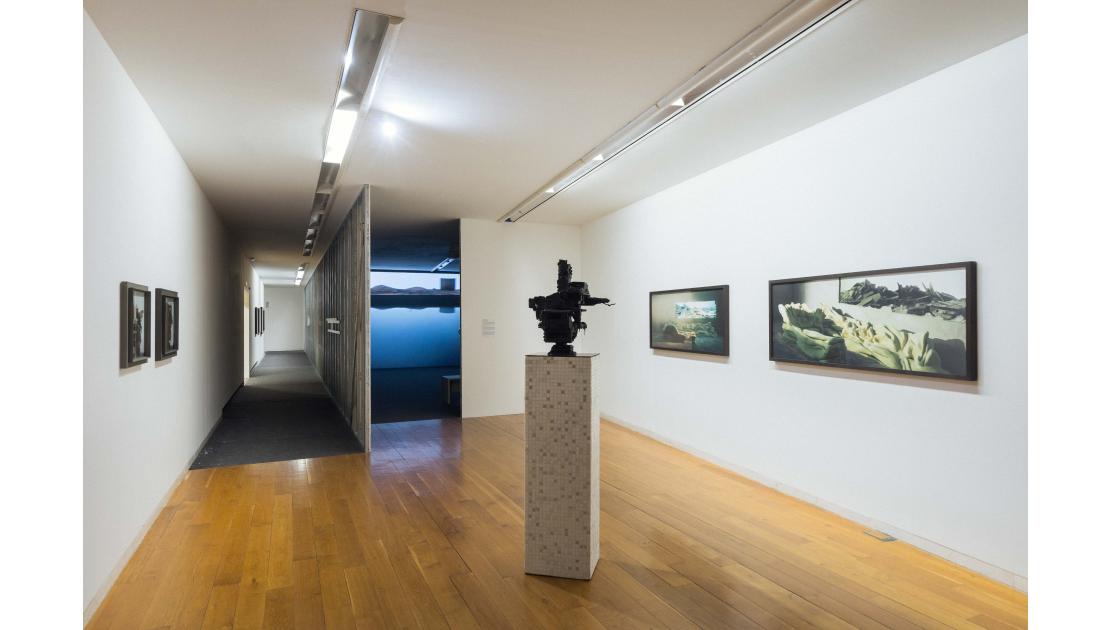
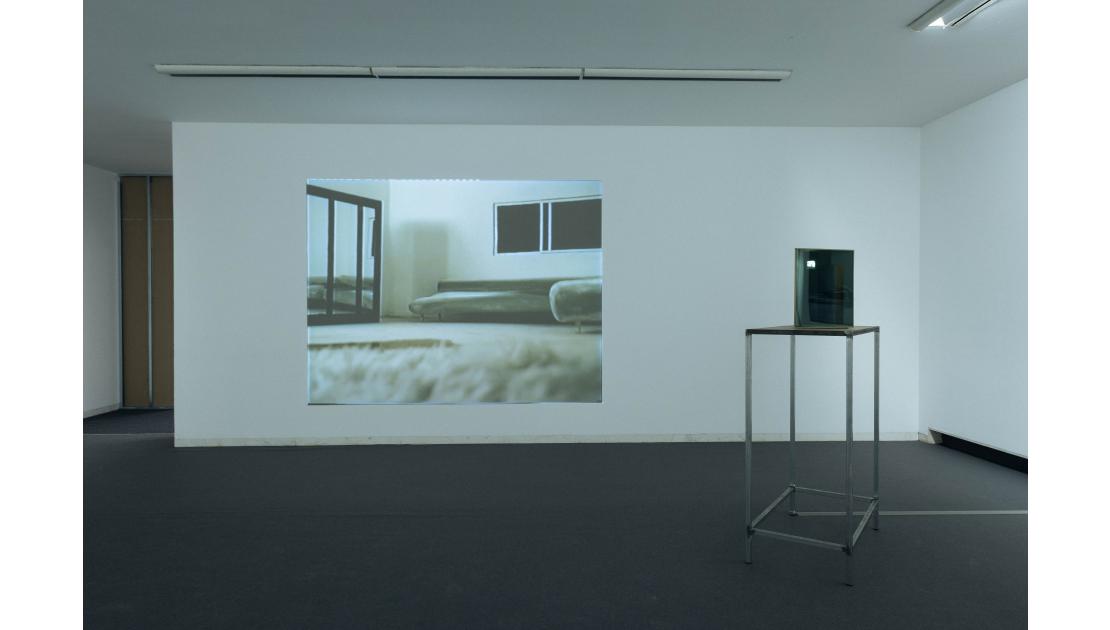
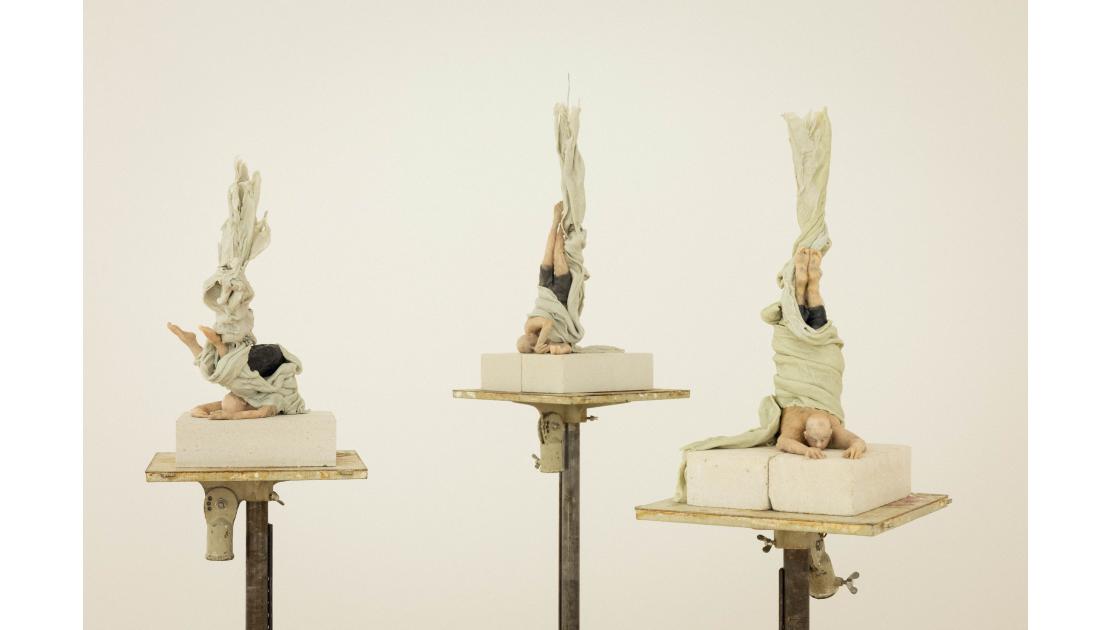
The Berlin-based artist Alexandra Ranner (Osterhofen, Germany, 1967) is to present her first solo exhibition in a Spanish museum at the CGAC. An overview of her artistic career from 2003 up until the present day, the show is based on a selection of works in different media, such as photography, sculpture, installation or video.
Characterised by the difficulty in identifying specific categories, her work addresses themes such as loneliness, breakdown, lack of spatial definition, places before and after a catastrophe, the suspension of states and events, or the time between an archaic or static past and a future yet to occur. She does so through the representation of human beings and animals, landscapes, architectures, interiors and ruins.
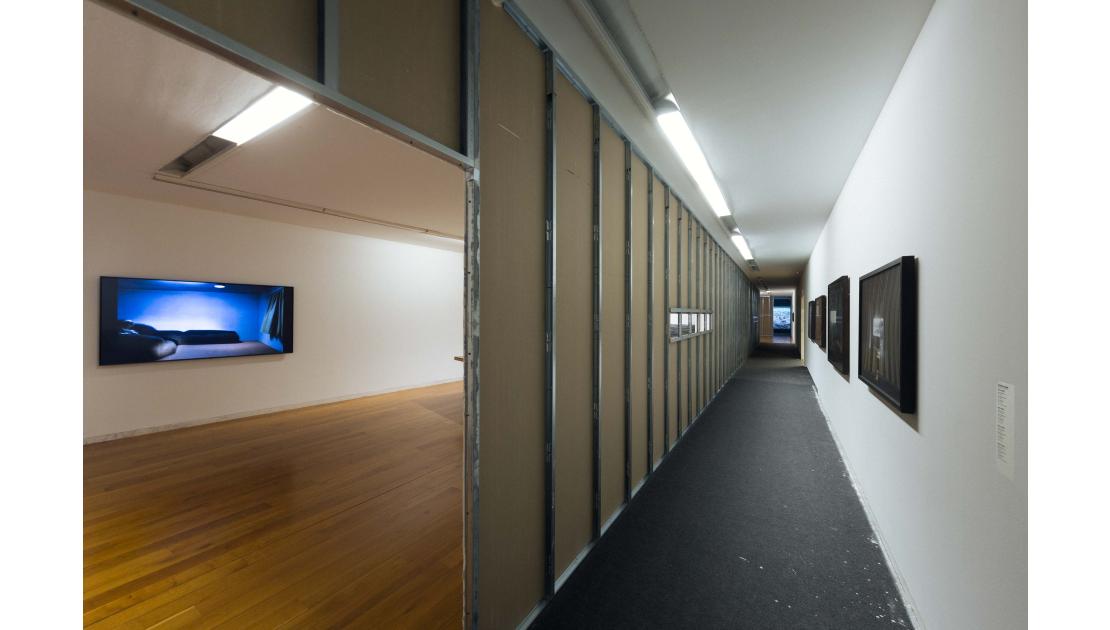
The semiotic imprecision of her works—the refusal to establish a straightforward relationship between perception and concept, signifier and signified—subverts the rationalist foundations of knowledge. The objective analysis of what is observed and the external position of the gaze are altered, and the same applies to the description or interpretation of what we see and the narrative of a linear time. In this way, the configuration of the architectural space within the CGAC exhibition rooms, with its walls, peepholes and windows helps create a disturbing experience where mystery, strangeness and ambiguity, not exempt from violence, occur within the enigmatic confines of nature and what is considered human.
Alexandra Ranner places her beings within the emotional intensity of solitude, isolation, confinement, loss, insecurity, pleasure or tenderness. Her knowledge of Renaissance and Baroque painting, in particular the work of Velázquez, Zurbarán, Caravaggio or Menéndez Valdés, and the influence of authors such as Goya, Franz Kafka or Samuel Beckett, allow her to address the troubles and upheavals of contemporary society with a powerful spatial, plastic and perceptive quality. Despite using registers derived from the history of art and architecture, her work is not based on classical or dramatic cannons but on humour, sarcasm and the absurdity of contemporary artistic vanguards themselves, drawing us closer to the disturbing paradigm of our time.