



MISHA BIES GOLAS

Back in the mid-nineteen nineties, a young Misha Bies Golas (Lalín, Pontevedra, 1977) discovered the CGAC out of a sort of impulse and curiosity for the institution that had just been founded in Santiago de Compostela. Exhibitions from artists such as Giovanni Anselmo, Christian Boltanski and Marcel Broodthaers were understood and digested as unlocking devices, activating a form of relationship with art detached from disciplinary knowledge and focused on sensory experience. This initial contact foreshadowed a constant in his practice: the construction of non-normative knowledge based on the process of producing and on the encounter with materials.
Thirty years on, the artist returns to CGAC with a project that condenses more than two decades of research on the historical avant-gardes of the first half of the twentieth century, understood not as a closed set of styles or languages, but as a field of tensions, displacements and unfinished processes. His approach is situated in a critical area with respect to the teleological accounts of modernity, incorporating both its formal achievements and its areas of conflict, its peripheral drifts and its material accidents.
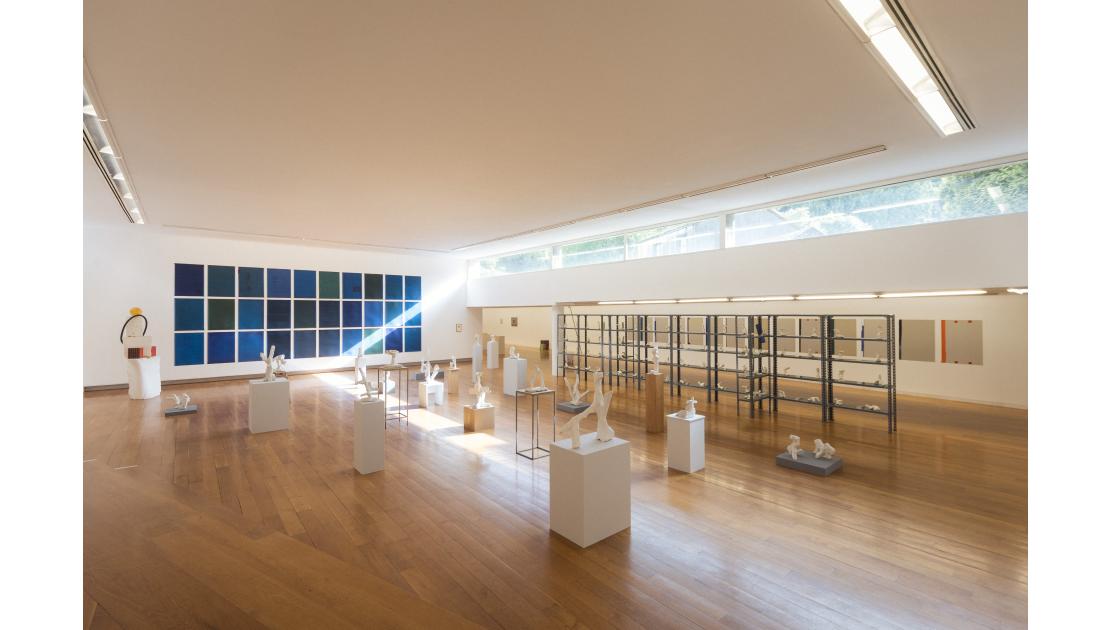
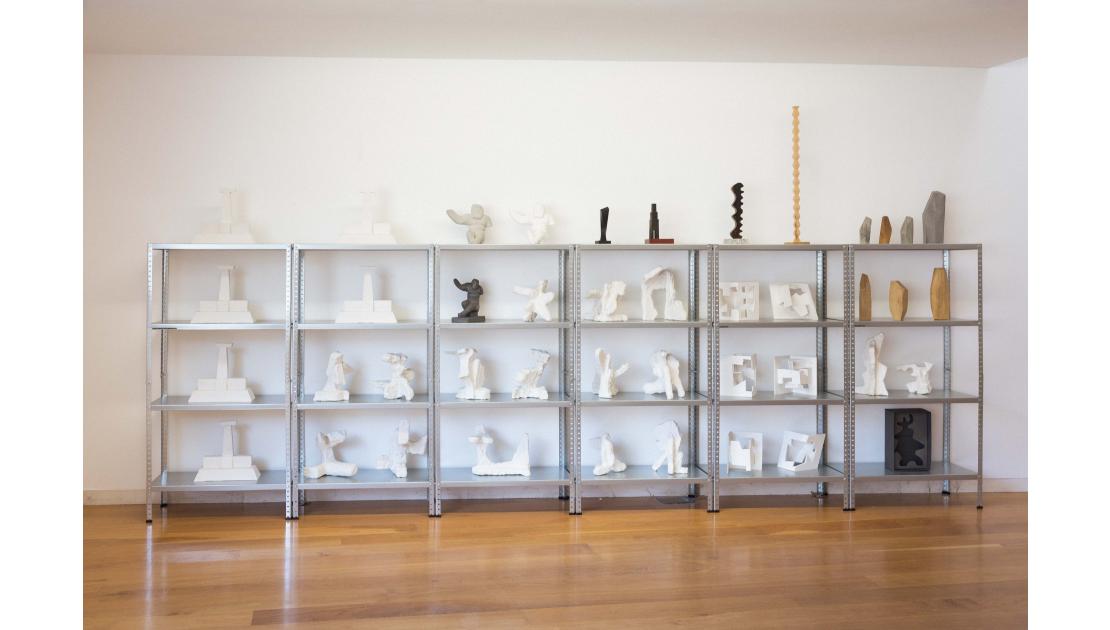
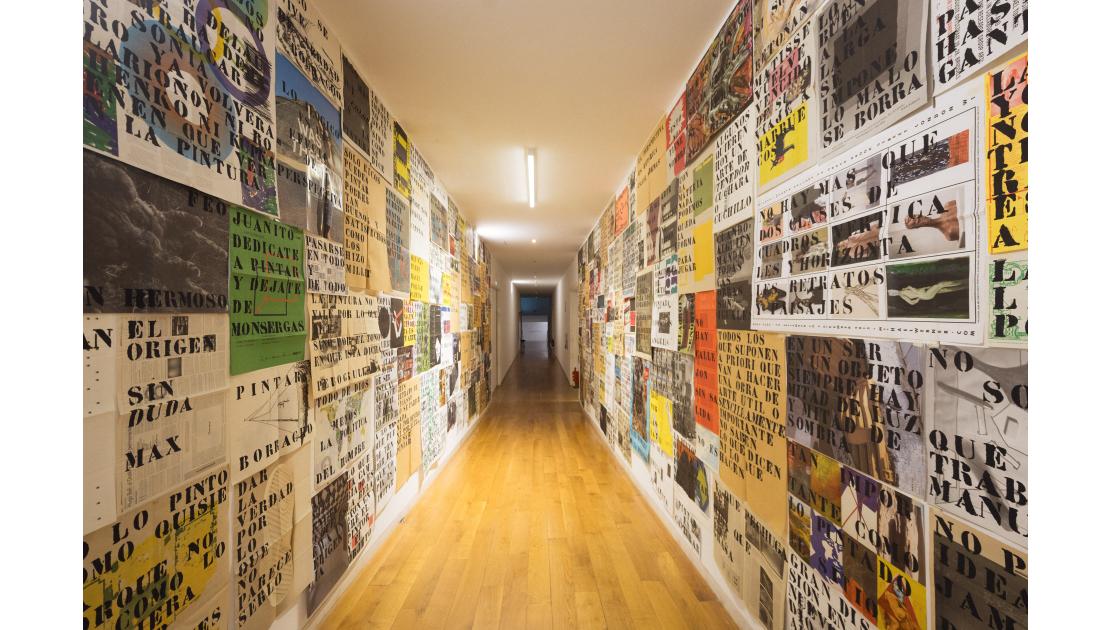
The exhibition is structured as a specific installation of an expanded nature that functions simultaneously as an active archive, formal laboratory, and spatial device. Far from a linear retrospective logic, the exhibition proposes a rhizomatic reading of the artist's production to date, in which works of different scales and natures are interconnected through formal, material and conceptual affinities. Within this framework, resonances emerge with certain authors, as well as with diverse cultural contexts, understanding the avant-garde(s) as historically contextualised processes of translation and adaptation.
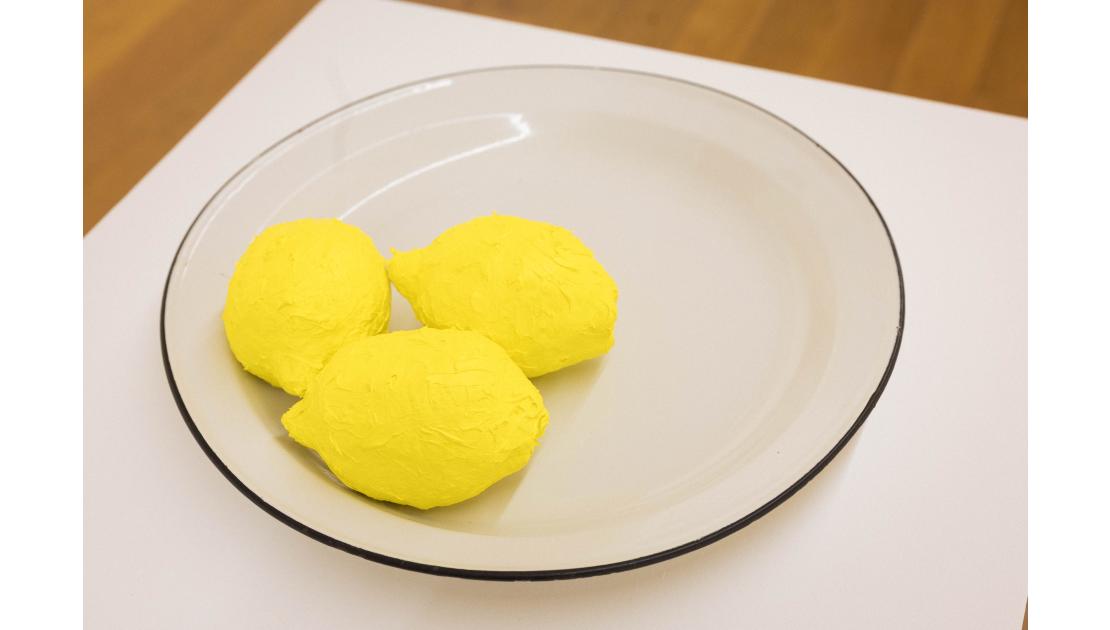
The occupation of the ground floor of the CGAC is considered as a force field in which more than a hundred sculptures and small biomorphic or amoeboid paintings are on display. These pieces underscore craftsmanship, the economy of means and the agency of materials, incorporating error, mutability and contingency as productive strategies that question the hierarchies of modern high culture.
The Double Space—which will be inaugurated at a later date (starting on June 12)—is conceived as an aerial installation from which hang organic skin shapes, generating a shadow play that introduces a temporal and performative dimension to the itinerary.
As a whole, the exhibition is configured as an open, vectorial structure, bordering on a metanarrative, wherein the arrangement of the works on walls, floors and ceilings refers to the space of the workshop as an epistemological model: a place of continuous rehearsal in which form, thought and matter occur simultaneously.