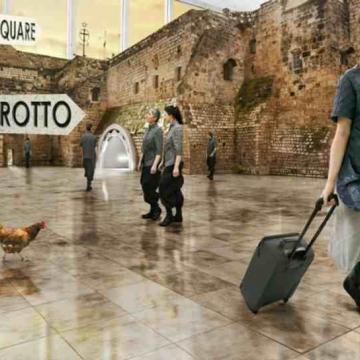
Based on some of the works on display in the We Refugees exhibition, the seminar addresses, through artistic and theoretical texts, a genealogy of the constitution of modern, contemporary space as a residual space, where displaced persons, dissidents, refugees or those considered a threat to the political-racial-social order are funnelled, contained and, in certain historical circumstances, even annihilated.
Activities
The CGAC's Activities and Pedagogical Department develops its programme with a primary goal: to bring art to society through the rigorous analysis of critical issues inherent in contemporary artistic activity.
Film seasons and conferences, workshops, seminars and concerts, make up the centre’s fundamental offer of activities, aiming to involve a wide range of audiences from the professional sector of the world of art and culture to an increasingly larger group of artists and fine art and history students, not to mention all those interested in the evolution of art and aesthetic reflection.
At the same time, the CGAC develops specific programmes for schools and colleges as well as guided tours, with the purpose of providing the various groups who come to the museum with the necessary tools to understand contemporary art and, from there, the world we live in.
If you would like to receive information on CGAC activities, you can request it by sending a message to the following email addresses:
9 October 2019 - 10 October 2019

20 March 2019 - 5 June 2019
Timetable: Wednesdays 7.00 pm to 8.30 pm
The Intrahistory of Architecture is a programme with an educational approach, a course with a solid basis in scientific knowledge and research, a critical course dedicated to dissemination.
2 May 2019 - 3 May 2019
The discursive models applied to the study of art are changing in unison with trends themselves, with contributions from researchers formulating new theoretical and methodological proposals. During these seminars, we seek to present some of the most innovative approaches being applied to the study of the artistic phenomenon from the perspective of both art history and aesthetics.
9 January 2019 - 13 March 2019
Art from both the 20th century and the present day has undergone an evolutionary process that is full of discontinuities packed with references and languages that either embrace the tradition of western art or totally reject it. Art can be interpreted through a wide assortment of operational strategies that are contingent upon the habitat created by the environmental conditions of each particular moment in time and the specific action of each…
10 October 2018 - 19 December 2018
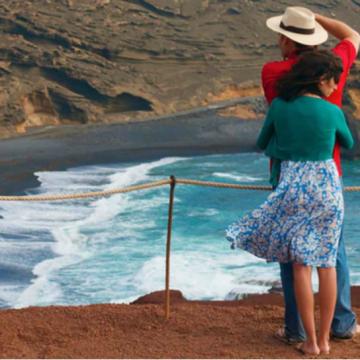
Ever since motion pictures began telling stories, the focus of attraction of countless films, regardless of their genre, has undoubtedly been the love story. The body and face of film stars became the centre of attraction on the screen; objects of admiration for filmmakers and spectators.
14 December 2018 - 15 December 2018
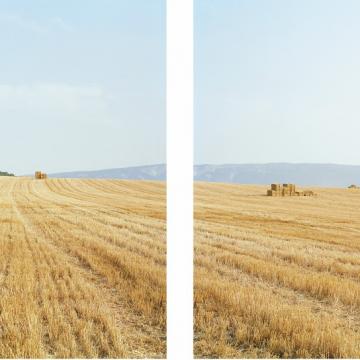
The way of addressing landscape, representing territory or taking a look at what we think is conditioned by a vast cultural framework, with the elements that intervene in its physical or imaginary construction seen as having a manifold nature
9 March 2018 - 10 November 2018
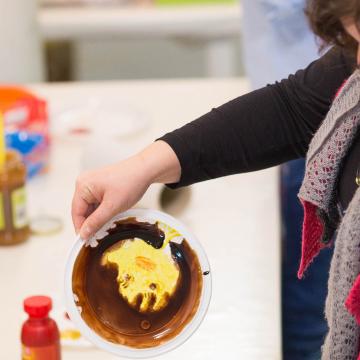
This cycle of practical courses for teachers proposes the use of contemporary art as a learning tool for the classroom. The programme is structured around three themes of great importance to formal education (mathematics, narrative and knowledge of the natural environment). It is designed to explore the limits between knowledge areas and invite the teachers to experiment and learn before using these ideas in their classrooms.
18 October 2017 - 23 May 2018
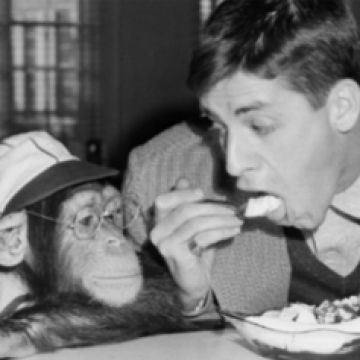
The Bodies of Film is set out as a reflection on the figure and its relationship with spaces in the audiovisual medium. Under this pretext and over 23 sessions, we will analyse how the body transits in different cinematographic contexts, either from a perspective of gender (comedy, musical, drama, western...), of filmmakers (Jacques, Tati, Michelangelo Antonioni, Béla Tarr, Leos Carax...) or of narratives and different spaces (wandering…
16 November 2016 - 31 May 2017
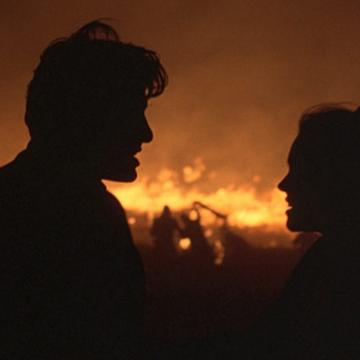
The history of humanity is also the history of the gaze. From the light of the stars to the shadows of caves, human beings have always tried to see further, to go beyond their everyday reality. And with their insatiable scopipc impulse, with their resistance to close their eyes, illusion, dreams and fantasy were also born: desire, in one word.