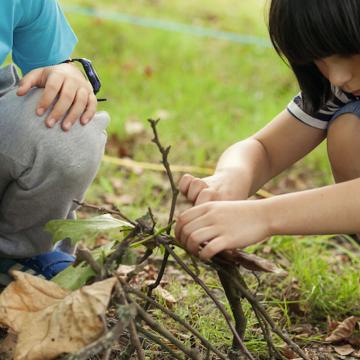
Artist Rebeca Mariño will be offering a series of workshops on artistic experimentation for families with children between the ages of 4 and 9. An opportunity for families to discover, create and have fun in the world of modern art.
Activities
The CGAC's Activities and Pedagogical Department develops its programme with a primary goal: to bring art to society through the rigorous analysis of critical issues inherent in contemporary artistic activity.
Film seasons and conferences, workshops, seminars and concerts, make up the centre’s fundamental offer of activities, aiming to involve a wide range of audiences from the professional sector of the world of art and culture to an increasingly larger group of artists and fine art and history students, not to mention all those interested in the evolution of art and aesthetic reflection.
At the same time, the CGAC develops specific programmes for schools and colleges as well as guided tours, with the purpose of providing the various groups who come to the museum with the necessary tools to understand contemporary art and, from there, the world we live in.
If you would like to receive information on CGAC activities, you can request it by sending a message to the following email addresses:
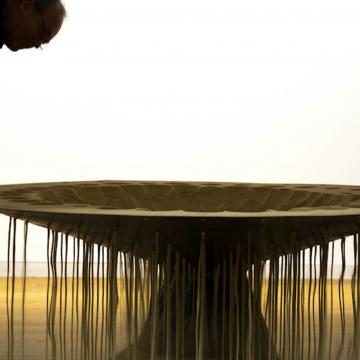
22 November 2016 - 25 November 2016
Wolframio is a project currently underway that Eva Lootz began for the exhibition Cut Through the Fog. It is a research project that looks into the role of the tungsten mines in Galicia during World War II, as well as the repercussions that the extraction of this metal had on Galicia's social fabric.
5 July 2016 - 29 July 2016
Like every year, CGAC will have an offering of summer workshops for children. This time they will take place throughout the month of July. We invite children to participate in several artistic experiences related to contemporary art.
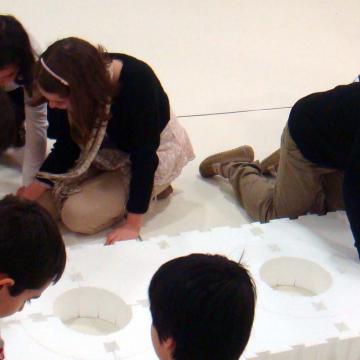
27 February 2016 - 29 May 2016
Architect Fermín Blanco will use the Sistema Lupo teaching method to offer a workshop series for children. The aim is to provide boys and girls with the keys needed for them to interpret modern architecture through the legacy of the most important figures in this field of our time.

26 May 2016 - 27 May 2016
This workshop offered by Marisa González (Bilbao, 1945) will focus on her artistic practice within the context of the exhibition Registros domesticados, that can be visited at the CGAC until 19 June 2016.
1 April 2016 - 2 April 2016
As a starting premise we will focus on the critical attitude of the artist towards everything related to art and the society that promotes it on a recurrent basis, and far from questioning the most compromising attitudes of the system, this laboratory aims to explore the obvious needs of a future which is as uncertain as it is imperative.
22 December 2015 - 30 December 2015
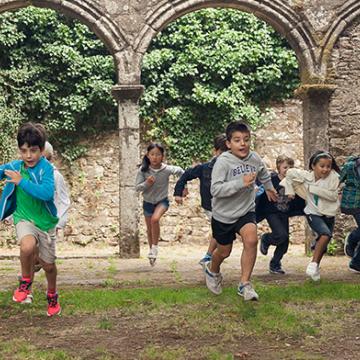
This Christmas the CGAC is offering two workshops for children 4-9 years old. The activities will revolve around painting, writing, emotional voyages, poetry, nature, roads, footprints and other ideas that emerge from artist Javier Vallhonrat’s exhibition, Interacciones (Interactions) on view at the CGAC until 27 March 2016.
11 December 2015 - 13 December 2015
My understanding is that every artistic project is like a complex space where many different plots and stories—conceptual, formal and vital—are activated and begin to interact. These contents and stories need to be activated by exercising creativity, which can be defined as a compendium of capacities and processes that we deploy through exploration, experimentation and games.
28 November 2015 - 29 November 2015
Through a dialogue, the workshop seeks for participants to understand that there are subtle decisions that affect and modify the meaning of their work. Because every creative act is extremely complex, different approaches are required to discover the reasons behind the decisions we make during the creative process. Therefore, we will delve into the meaning of our aesthetic ideas, their conceptual intentions, and the strong feelings that boost…